




Importance of Proper Weld Groove Design
The foundation of a flawless weld begins with a well-designed weld groove. Proper weld groove design is crucial in ensuring the strength, durability, and aesthetic quality of the welded joint. When grooves are designed correctly, they provide the ideal space for filler material, facilitating a strong bond between the materials being joined. This is particularly important in structural applications where the integrity of the weld can significantly impact safety and performance.
A well-designed groove also helps in minimizing weld defects such as porosity, cracks, and lack of fusion. These defects can compromise the weld’s structural integrity, leading to potential failures. By ensuring that the groove is of the correct type and dimensions, welders can achieve a more consistent and high-quality weld. Additionally, proper groove design can reduce the amount of filler material required, leading to cost savings and increased efficiency.
The design of the weld groove must take into account various factors, including the type of materials being welded, the thickness of the materials, and the specific requirements of the application. By understanding and applying the principles of proper weld groove design, welders can create joints that are not only aesthetically pleasing but also capable of withstanding the demands of their intended use.
Types of Weld Grooves and Their Applications
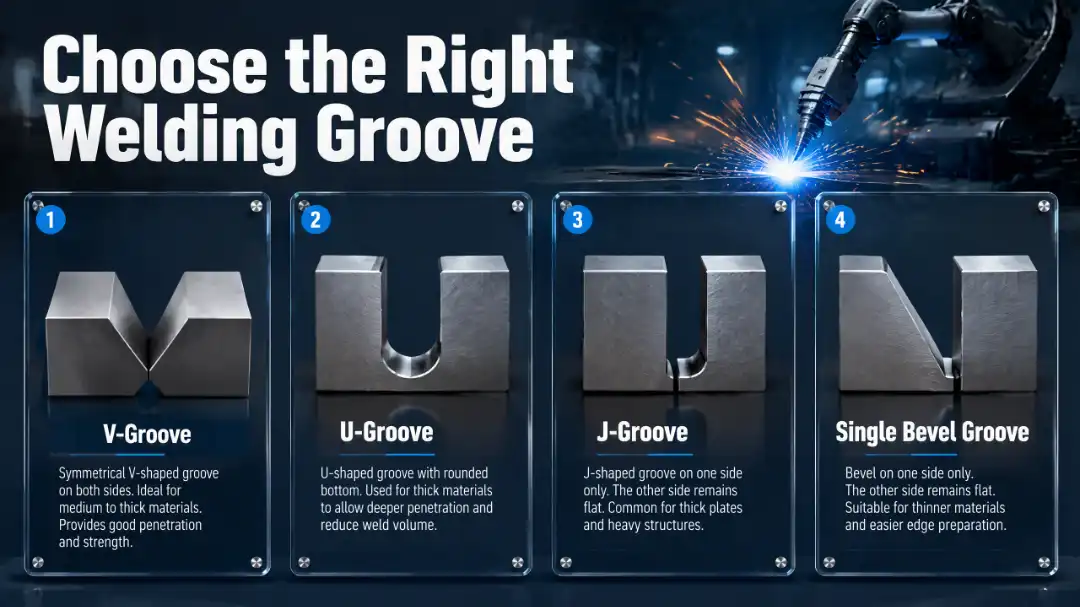
Weld grooves come in various shapes and sizes, each suited to different welding scenarios. The most common types of weld grooves include the V-groove, U-groove, J-groove, and bevel groove. Each type has its unique characteristics and applications, making it essential for welders to choose the appropriate groove for their specific needs.
The V-groove is one of the most commonly used weld grooves, characterized by its V-shaped cross-section. It is widely used in butt joints and is suitable for a range of material thicknesses. V-grooves are particularly effective for welding thicker materials, as they provide ample space for filler material and ensure good penetration.
U-grooves and J-grooves, on the other hand, are more specialized and are typically used for thicker materials. The U-groove has a rounded bottom, which helps in reducing the amount of filler material required and minimizing the risk of defects. J-grooves are similar but have one side that is more vertical, providing better access for the welder in certain situations. Bevel grooves are often used for edge preparations and are suitable for materials of varying thicknesses. They are particularly useful in applications where a single-sided weld is required.
Each type of weld groove has its advantages and limitations, and the choice of groove will depend on the specific requirements of the welding project. By understanding the different types of weld grooves and their applications, welders can make informed decisions and achieve optimal results in their welding work.
Factors Influencing Weld Groove Selection
Selecting the appropriate weld groove is a critical step in the welding process, and several factors must be considered to ensure the best results. One of the primary factors influencing weld groove selection is the type of material being welded. Different materials have varying properties, such as hardness, ductility, and thermal conductivity, which can affect the choice of weld groove. For example, materials with high thermal conductivity, like aluminum, may require grooves that facilitate better heat distribution.
The thickness of the materials being joined is another crucial factor. Thicker materials typically require deeper grooves to ensure adequate penetration and a strong bond. Conversely, thinner materials may need shallower grooves to prevent burn-through and excessive heat input. The joint configuration, such as whether it is a butt joint, lap joint, or T-joint, also plays a significant role in groove selection. Each configuration may require a different type of groove to achieve optimal results.
Additionally, the welding process being used can influence the choice of weld groove. Different welding techniques, such as MIG, TIG, or stick welding, have varying requirements for groove design. For instance, TIG welding, known for its precision and control, may benefit from narrower grooves, while MIG welding might require wider grooves to accommodate the welding arc and filler material. By considering these factors, welders can select the most suitable weld groove for their specific application, ensuring high-quality and reliable welds.
Preparing Materials for Weld Grooving
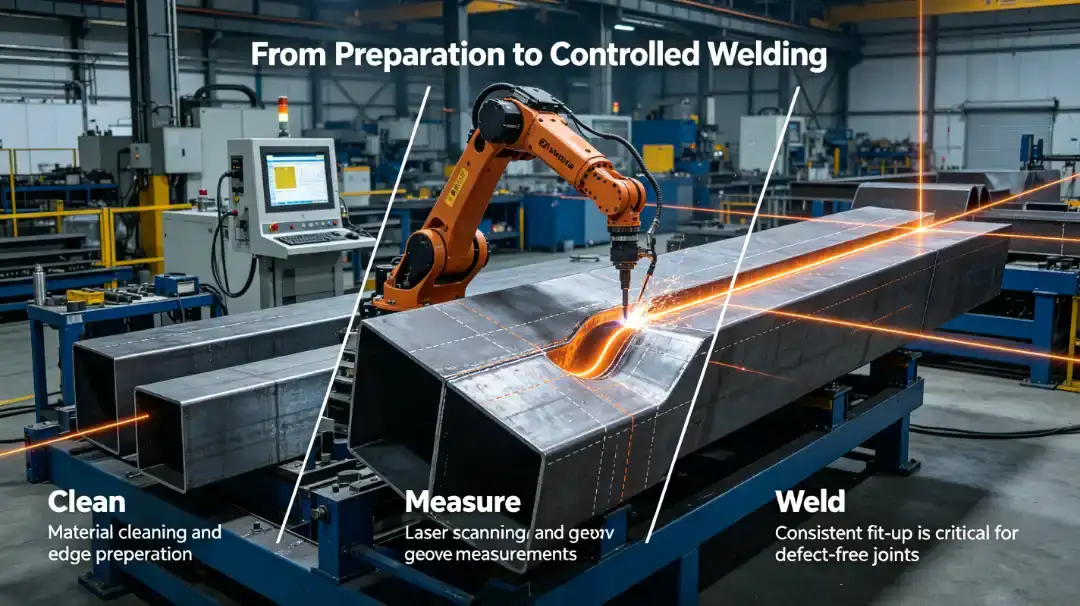
Proper preparation of materials is essential for successful weld grooving. The first step in material preparation is cleaning the surfaces to be welded. Contaminants such as dirt, oil, rust, and paint can adversely affect the quality of the weld, leading to defects and weak joints. Cleaning can be done using various methods, including wire brushing, grinding, or chemical cleaning, depending on the type and extent of contamination.
Once the surfaces are clean, the next step is to mark and measure the areas where the grooves will be created. Precision is key in this process, as accurate markings ensure that the grooves are formed in the correct locations and to the appropriate dimensions. Using tools such as measuring tapes, scribers, and straight edges can help achieve precise measurements and markings.
After marking, the actual grooving process can begin. This involves cutting or grinding the material to create the desired groove shape and size. The choice of tools and techniques for grooving will depend on the type of material and the specific groove design. For instance, grinding wheels or cutting torches may be used for creating V-grooves, while milling machines might be employed for U-grooves. It is important to follow safety protocols and use appropriate personal protective equipment (PPE) during this process to prevent injuries and ensure a safe working environment.
Tools and Equipment for Weld Grooving
The success of weld grooving largely depends on the tools and equipment used. Different types of grooves may require specific tools to achieve the desired shape and dimensions. One of the most common tools used in weld grooving is the angle grinder, which is versatile and effective for creating various types of grooves, including V-grooves and bevel grooves. Angle grinders come with different types of discs, such as grinding wheels and cutting discs, that can be selected based on the material and groove requirements.
For more precise and complex grooves, such as U-grooves and J-grooves, milling machines are often used. Milling machines offer greater control and accuracy, making them suitable for creating detailed and intricate grooves. They can be equipped with various cutting tools, such as end mills and slot drills, to achieve the desired groove shape and size. Other specialized tools, such as plasma cutters and oxy-fuel torches, can also be used for grooving, particularly for thicker materials and specific applications.
In addition to the cutting and grinding tools, measurement and marking tools are essential for accurate groove preparation. Tools such as measuring tapes, calipers, scribers, and straight edges help ensure precise measurements and markings, which are crucial for achieving the correct groove dimensions. Personal protective equipment (PPE), including safety glasses, gloves, and face shields, is also important to protect welders from potential hazards during the grooving process. By using the right tools and equipment, welders can achieve high-quality grooves that contribute to the overall success of the welding project.
Common Mistakes in Weld Groove Techniques
Despite the importance of proper weld groove techniques, common mistakes can still occur, leading to subpar welds and potential structural issues. One of the most frequent mistakes is improper groove dimensions. Grooves that are too narrow or too shallow can result in insufficient penetration and weak joints, while grooves that are too wide or too deep can lead to excessive filler material usage and increased risk of defects such as porosity and slag inclusion.
Another common mistake is inadequate cleaning and preparation of the materials. Contaminants such as oil, rust, and dirt can interfere with the welding process, causing defects and reducing the overall quality of the weld. Skipping or rushing the cleaning and preparation steps can lead to poor adhesion and weak joints, compromising the structural integrity of the weld.
Incorrect groove type selection is also a prevalent mistake. Choosing the wrong type of groove for the material, thickness, or welding process can result in suboptimal welds. For example, using a V-groove for very thick materials where a U-groove would be more appropriate can lead to insufficient penetration and weak joints. It is essential to carefully consider the specific requirements of the welding project and select the appropriate groove type to achieve the best results.
By being aware of these common mistakes and taking steps to avoid them, welders can improve their weld groove techniques and achieve higher-quality, more reliable welds.
Tips for Achieving Perfect Weld Joints
Achieving perfect weld joints requires a combination of proper technique, attention to detail, and the right tools and equipment. One of the most important tips for achieving perfect weld joints is to ensure accurate and precise weld groove preparation. This involves carefully measuring and marking the areas to be grooved, using the appropriate tools for cutting and grinding, and thoroughly cleaning the surfaces to remove any contaminants.
Another key tip is to select the appropriate welding parameters, such as current, voltage, and travel speed, based on the material, thickness, and welding process. Proper parameter selection helps achieve the desired penetration and fusion, resulting in strong and defect-free weld joints. It is also important to maintain a consistent welding technique, such as maintaining a steady hand and consistent travel speed, to ensure uniform welds.
Preheating the materials before welding can also contribute to achieving perfect weld joints, especially for thicker materials and certain types of steel. Preheating helps reduce the risk of thermal cracking and improves the overall weld quality. Additionally, using the correct filler material and ensuring proper fit-up and alignment of the materials to be welded are crucial for achieving strong and aesthetically pleasing weld joints.
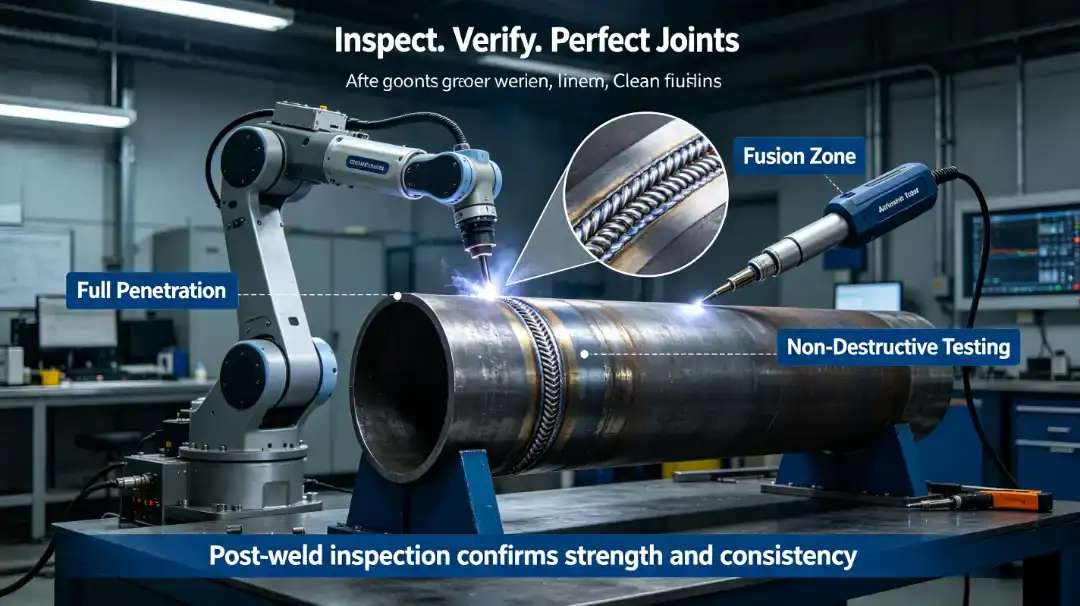
Finally, post-weld inspection and testing are essential to ensure the quality and integrity of the weld joints. Visual inspection, ultrasonic testing, and other non-destructive testing methods can help identify any defects or issues that may need to be addressed. By following these tips and paying attention to every step of the welding process, welders can achieve perfect weld joints that meet the highest standards of quality and durability.
Advanced Weld Groove Techniques for Professionals
For professional welders looking to take their skills to the next level, advanced weld groove techniques can offer superior results and improved efficiency. One such technique is the use of multi-pass welding for thicker materials. Multi-pass welding involves making multiple welding passes to fill the groove incrementally, ensuring thorough penetration and reducing the risk of defects such as porosity and lack of fusion. This technique is particularly useful for U-grooves and J-grooves, where deeper penetration is required.
Another advanced technique is the use of backing bars or backing strips. These are placed behind the joint to support the molten weld pool and prevent burn-through, especially in thinner materials. Backing bars can be made of various materials, including copper and ceramic, and help achieve consistent weld quality by providing a stable base for the weld. They can also facilitate better heat distribution, reducing the risk of thermal cracking.
Advanced welders can also benefit from using automated or mechanized welding systems, such as robotic welding arms and CNC machines. These systems offer greater precision and control, enabling the creation of complex and intricate weld grooves with minimal human intervention. Automated systems can also improve efficiency and consistency, reducing the risk of human error and increasing overall productivity.
By mastering these advanced weld groove techniques, professional welders can achieve superior results, enhance their skills, and tackle more challenging welding projects with confidence.
Conclusion and Further Resources
Mastering weld groove techniques is essential for achieving perfect weld joints that are strong, durable, and aesthetically pleasing. Proper weld groove design, accurate material preparation, and the use of appropriate tools and equipment are crucial for success. By avoiding common mistakes and following expert tips, welders can improve their skills and produce high-quality welds that meet the highest standards.
For those looking to further enhance their knowledge and skills in weld grooving, there are numerous resources available. Welding schools and training programs offer comprehensive courses on various welding techniques, including weld grooving. Online tutorials, webinars, and industry publications also provide valuable information and insights. Additionally, joining welding associations and forums can connect welders with a community of professionals and experts who can offer guidance and support.
By continuing to learn and practice, welders can stay up-to-date with the latest advancements in welding technology and techniques, ensuring they remain at the forefront of their field. With dedication and a commitment to excellence, mastering weld groove techniques is within reach, unlocking the secret to flawless welds and perfect joints.