PRODUCTS
KNT welding workstation creates intelligent industrial scenarios, enabling one operator to manage multiple machines and transforming manual labor into smart welding solutions.
BW series L-shape postitoner welding workstation
Product Parameter
Welding method:laser welding
rated load:500kg
Maximum movement radius:1700mm
Product Introduction
The Dual-Axis L-Type Positioner, also referred to as an L-type positioner welding workstation, is a type of welding robot workstation. The system adopts a collaborative operation mode of “robot + laser welding kit + positioner,” where the L-type positioner works in tandem with the welding robot to perform flipping and rotating welding tasks. It supports the combination of manual pre-tack welding and fully automated long-seam welding by the robot, making it suitable for manufacturing products that require high precision, sealing performance, and appearance quality in welds.
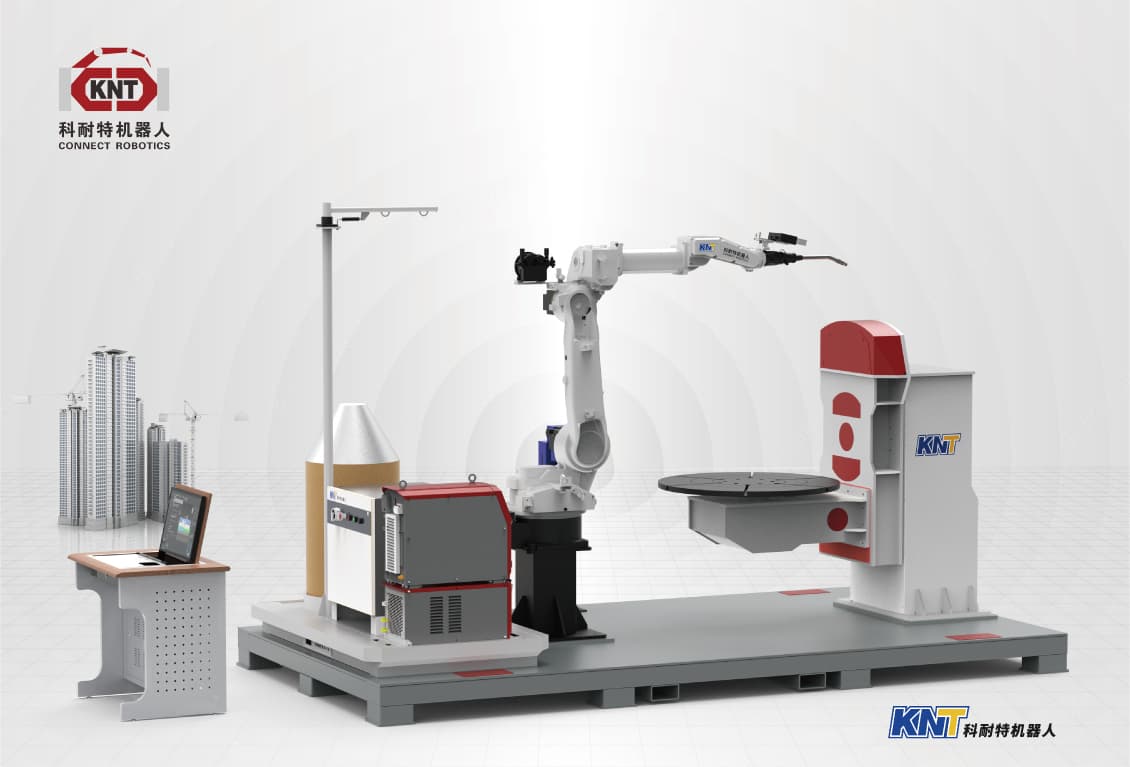

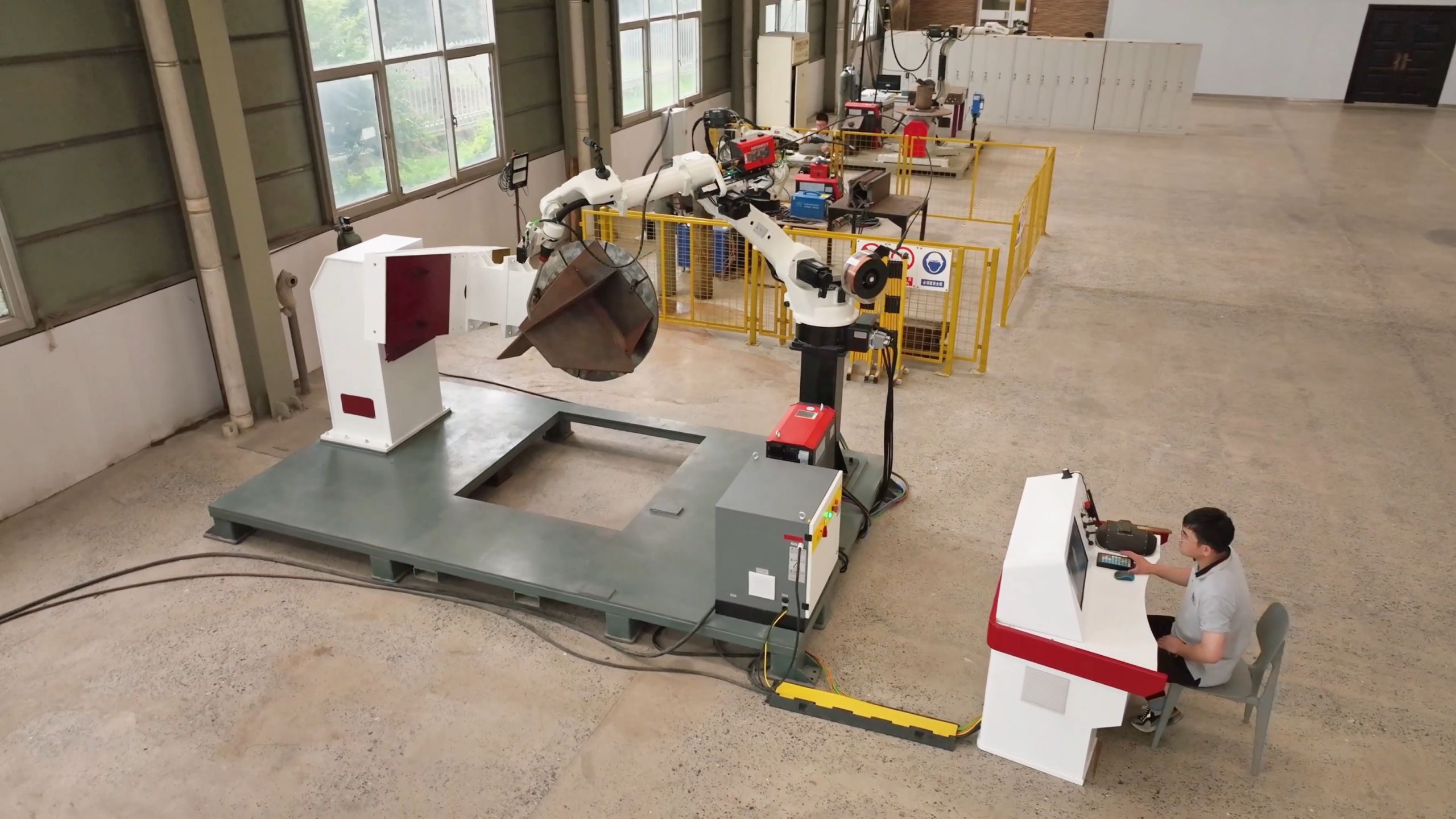
The Dual-Axis L-Type Positioner is mainly used in welding applications such as structural steel components and mechanical parts, including flanges, pipe fittings, various boxes, frames, and other structural steel manufacturing industries. By rotating and tilting the worktable, it positions the workpiece optimally for welding and collaborates with the welding robot to achieve automated welding. It is one of the commonly used pieces of equipment in modern steel structure production enterprises. In production, this technology not only significantly improves welding quality but also reduces the number of workpiece handlings and lowers labor intensity, thereby rapidly enhancing overall production efficiency.

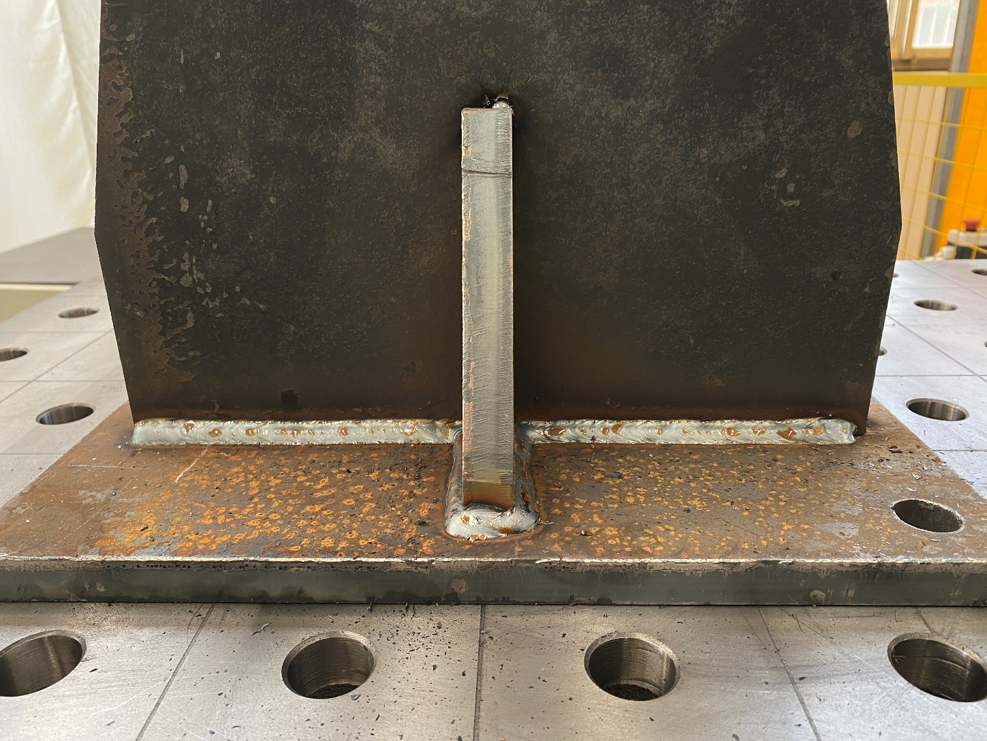
Applicable workpiece