At the 6th China Forum on Advanced Automotive Technology and Manufacturing, industry experts delivered a clear message: China’s automotive manufacturing equipment sector stands at a crossroads of opportunity and challenge. While the rise of intelligent manufacturing opens new doors, the industry still grapples with heavy reliance on imported core equipment and weak independent development capabilities. The path forward lies in collaborative innovation across the entire supply chain, technological upgrades, and optimized models to meet the demands of the “New Four Modernizations” of automobiles.
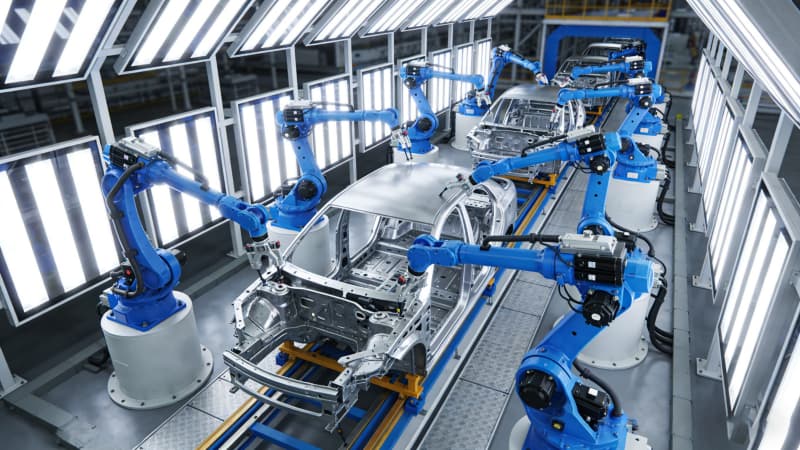
The Critical Role of Welding Workstations in Automotive Manufacturing
Automotive production lines rely heavily on advanced welding workstations to ensure precision, speed, and consistency. These workstations form the backbone of body-in-white assembly, where thousands of weld points must meet exacting quality standards. As vehicles incorporate more lightweight materials like high-strength steel and aluminum alloys, modern welding workstations must adapt to handle diverse material combinations while maintaining throughput.
The integration of intelligent welding robots into these workstations has revolutionized production efficiency. Unlike traditional manual welding, robotic systems deliver uniform weld quality across every vehicle, reducing rework and material waste. For automotive manufacturers seeking to scale production while maintaining quality, investing in automated welding workstations equipped with advanced welding robots is no longer optional—it is essential.
How Welding Robots Address Automotive Manufacturing Challenges
The automotive industry’s shift toward electric vehicles introduces new complexities. Battery trays, motor housings, and lightweight frame components require precise, repeatable welds that only advanced welding robots can consistently deliver. These robots must handle thin-gauge materials without distortion while maintaining the speed required for high-volume production.
Modern welding robots equipped with vision systems and adaptive control algorithms automatically adjust parameters in real-time, compensating for material variations and fit-up gaps. This intelligence reduces programming time and allows quick changeovers between different vehicle models—a critical capability as automakers offer more customization options.
For automotive suppliers, deploying welding robots within flexible welding workstations enables them to meet OEM quality requirements while controlling labor costs. As one industry expert noted during the forum, the gap between domestic and international equipment suppliers narrows when manufacturers adopt smart welding robots that combine precision with ease of use.
Breaking the Bottleneck: Localization Through Intelligent Equipment
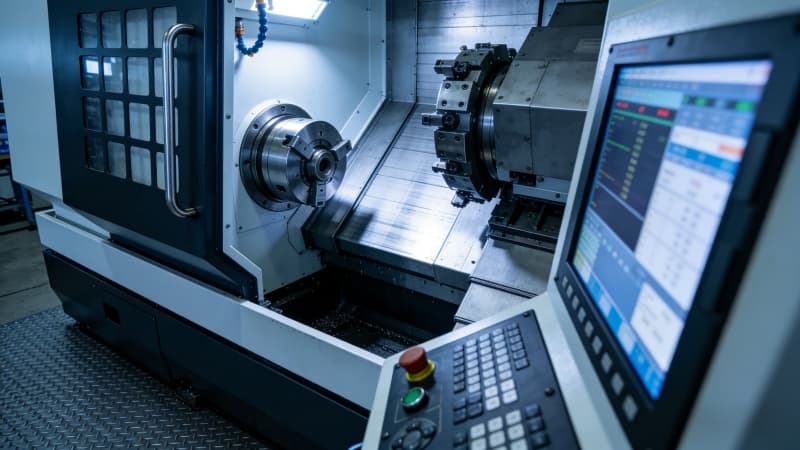
The forum highlighted a persistent challenge: over 80% of machine tools in China’s automotive industry are imported, despite the sector consuming 40% of the country’s total machine tool output. This dependency extends to welding workstations and welding robots, where foreign brands dominate high-precision applications.
However, the tide is turning. Domestic manufacturers of welding robots are closing the gap through focused R&D and real-world application testing. By embedding AI vision and adaptive control into their welding workstations, these companies offer solutions that rival imports in precision while providing better local support and faster service.
The key to accelerating this transition lies in collaborative innovation. When automotive manufacturers partner with domestic welding robot suppliers to test and refine equipment on actual production lines, both sides benefit. Manufacturers gain more responsive support, while robot builders receive invaluable feedback to improve their welding workstations.
Future Trends: Welding Workstations for New Energy Vehicles
As the automotive industry pivots toward electrification, welding workstations must evolve to handle new requirements:
- Lightweight materials: Aluminum and composites demand welding robots with specialized process controls to prevent cracking and distortion.
- Battery pack assembly: High-voltage battery trays require welding workstations with precise energy control to ensure safety and longevity.
- Flexible production: With multiple models sharing production lines, welding robots must switch between different weld programs instantly.
Forward-thinking automotive companies are already investing in welding workstations equipped with advanced welding robots that can adapt to these evolving needs. These systems incorporate sensors and data collection capabilities, feeding quality data back to manufacturing execution systems for continuous improvement.
Conclusion: Strategic Investment in Welding Automation
The message from the forum is clear: automotive manufacturers serious about competing in the “New Four Modernizations” era must prioritize investment in intelligent manufacturing equipment. Welding workstations integrated with advanced welding robots deliver the consistency, flexibility, and data visibility that modern production demands.
For companies evaluating their automation strategy, starting with key applications like body-in-white assembly or battery tray welding provides a clear path to higher quality and lower costs. As domestic welding robot capabilities continue to advance, the business case for adopting smart welding workstations grows stronger every day.
The future of automotive manufacturing is automated, connected, and intelligent—and it begins with the right welding workstation and welding robot partners.